An Arctic expedition through Svalbard, Eastern Greenland, and Iceland with ARNE & CARLOS August 21 to September 6, 2026
Far north, the world opens out gently. Distances lengthen, the horizon widens, and the light takes on a softer, more persistent quality — often filtered through cloud and mist, lingering long beyond the usual end of day. The pace slows, shaped by water, weather, and the quiet movement of ice.
It is into this world that this journey unfolds: the High Arctic, experienced through two distinct northern landscapes, each with its own character and rhythm.
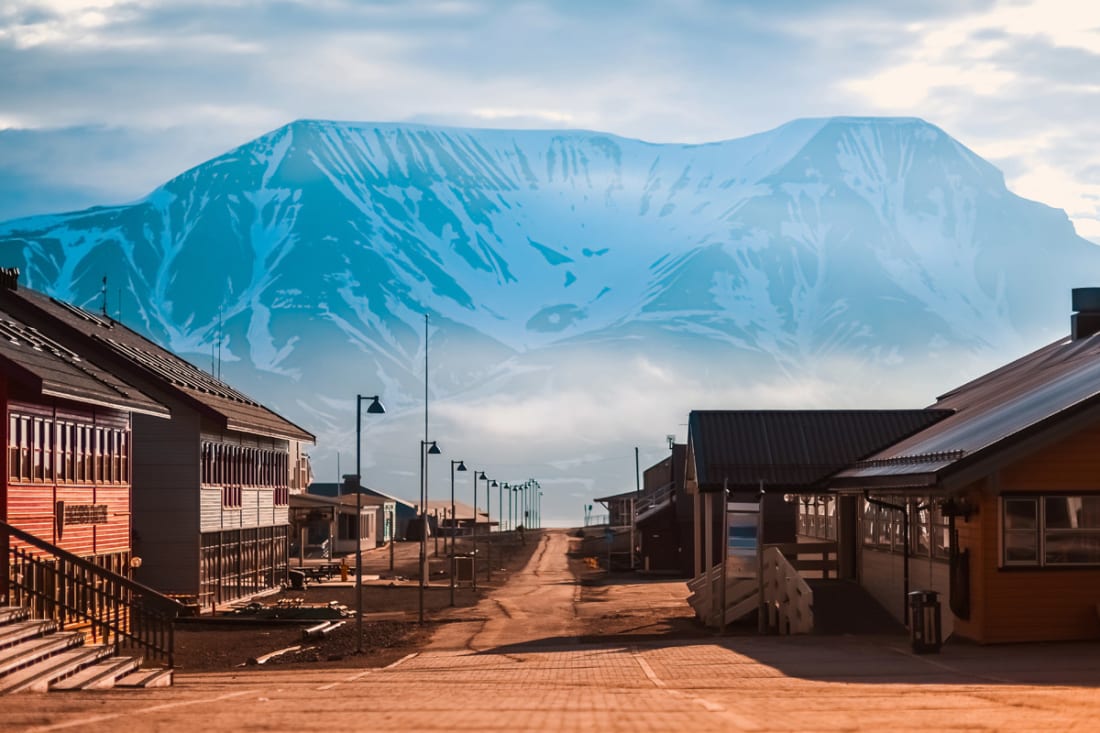
In Svalbard, the landscape is open and spare. Mountains rise straight from the sea, glaciers rest quietly at the water’s edge, and valleys extend wide and uncluttered. With little vegetation to soften the view, form and structure come into focus — rock, ice, and light held in careful balance. It is a place that encourages attention, where subtle changes in weather and light become easy to notice.
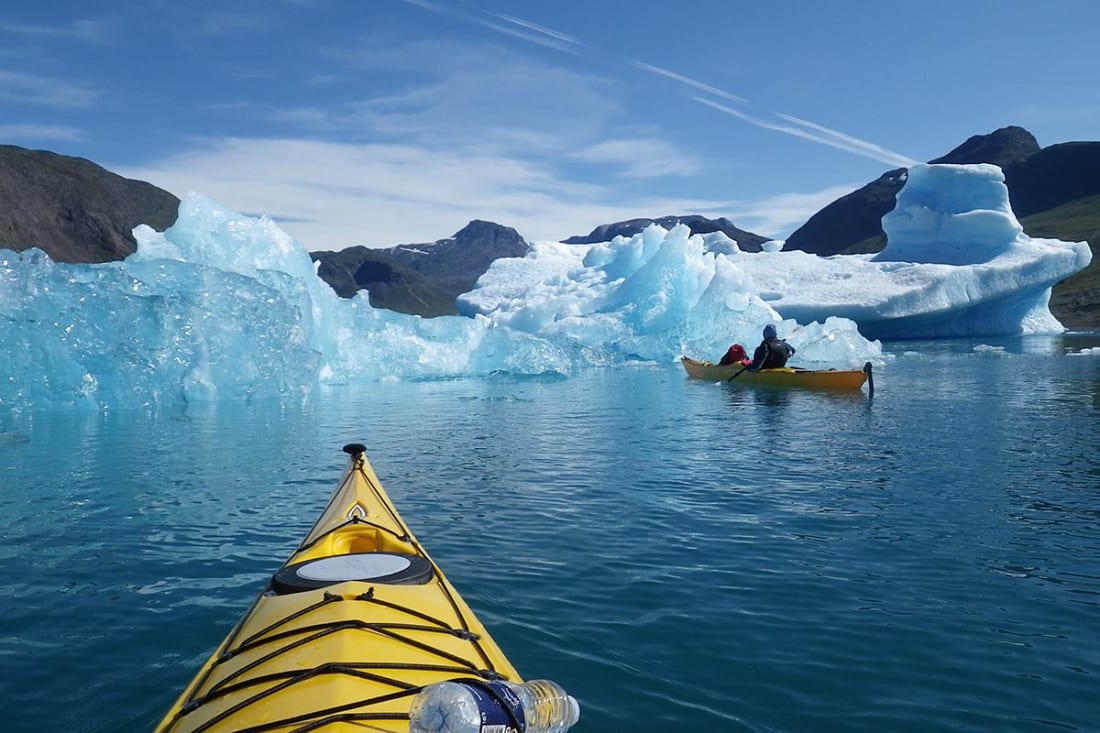
Along Greenland’s eastern coast, the sense of scale deepens. Majestic fjords open slowly, their steep sides revealing ancient rock formations shaped over vast stretches of time. Ice drifts through the water, softening distances and blurring the sense of scale. The landscape feels continuous and enduring, shaped by repetition, silence, and deep geological time.
Further south, Iceland offers a quieter return. Volcanic land replaces ice, and signs of everyday life begin to appear again. After the openness of the High Arctic, the world feels closer and more human in scale — a gentle transition that brings the journey to a calm conclusion.
At the heart of this voyage is the expedition itself. A large onboard team of scientists, geologists, historians, and guides accompanies us, helping us understand the ecosystems, landscapes, and cultures of the regions we travel through. Learning unfolds naturally — through lectures, conversations, shared observation, and time spent both on deck and ashore — offering insight into marine life, bird populations, climate, ice, rocks, and the long human history of the Arctic.
Knitting is woven quietly into the days. Something familiar and grounding in a landscape defined by space and light. Hands stay busy while attention remains open — to new knowledge, to the changing surroundings, and to one another.
This is a voyage shaped by understated beauty and thoughtful exploration — by filtered light, wide water, and time that stretches without urgency. A way of travelling that values curiosity, understanding, and the quiet pleasure of learning — stitch by stitch, day by day.

Highlights:
- The open, uncluttered landscapes of Svalbard, shaped by ice, light, and scale
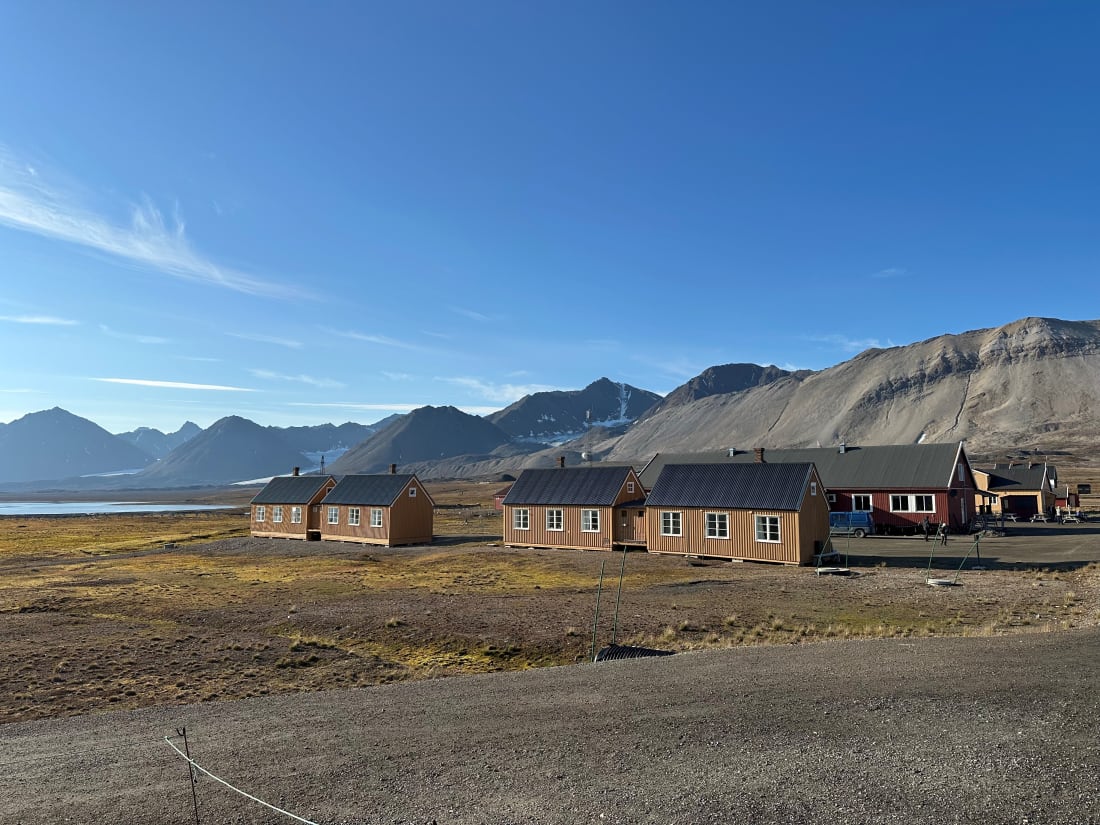
- A visit to Ny-Ålesund, the world’s northernmost permanent settlement and an important centre for Arctic research
- Sailing through Kongsfjorden, where glaciers, still water, and mountains create a powerful sense of silence
- Exploration of Northeast Greenland National Park, one of the most remote and least disturbed regions on Earth
- Time spent in Scoresby Sund, the world’s largest fjord system, shaped by glaciers, rock, and deep time
- Learning led by a large expedition team of geologists, marine biologists, ornithologists, environmental scientists, historians, and guides
- Knitting as a natural and grounding part of daily life on board
- Shared moments of making, conversation, and quiet companionship